Nandi-Ndaitwah at One Year — What Namibia's First Female President Has Delivered
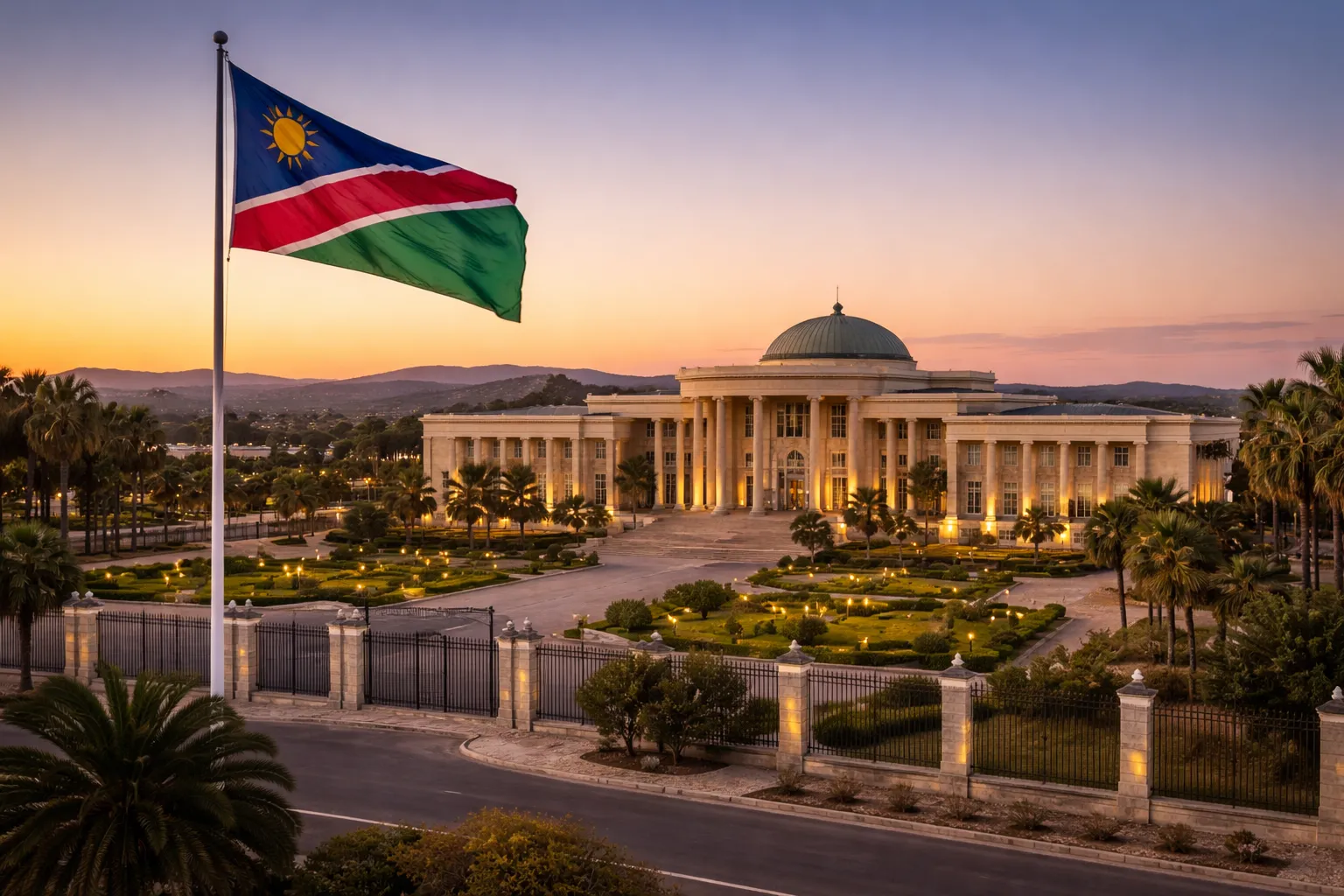
Dr Netumbo Nandi-Ndaitwah marked her first full year as Namibia's fifth president in March 2026, a milestone that gives a clearer view of what her administration has prioritised and where the pressure points are heading into the second year.
The headline achievements sit in policy signalling rather than completed reforms. The announcement of free tertiary education at government institutions from 2026 was the boldest individual policy commitment of the first year and sets up one of the largest public-expenditure shifts in Namibia's post-independence history. The groundwork on the Welwitschia Sovereign Wealth Fund — a long-discussed vehicle for capturing mineral and oil revenue for future generations — has moved from talking point to actual design phase.
Cabinet composition was the other defining story of the first twelve months. Women now hold a majority of cabinet-level portfolios, and Namibia's senior political leadership is the most gender-balanced it has been at any point since independence. That shift has drawn international attention and has been cited as a reference point in regional governance discussions.
The harder questions remain open. Unemployment, particularly for young Namibians, has not moved meaningfully. Land reform promises from the election campaign have narrowed into a more specific focus on serviced-land delivery to individuals rather than developers — a useful tactical shift, but not yet a scale transformation. Genocide reparations negotiations with Germany are in a renewed, tougher posture after Namibia rejected the earlier joint-declaration clause that would have closed the matter.
The second year will test whether signalling translates to delivery. The budget cycle, the sovereign wealth fund operationalisation, and the first free-tertiary intake in January 2026 are the three measurable milestones where the administration will either consolidate momentum or face its first credibility test.