2024 General Election — How the Eighth Parliament Was Shaped
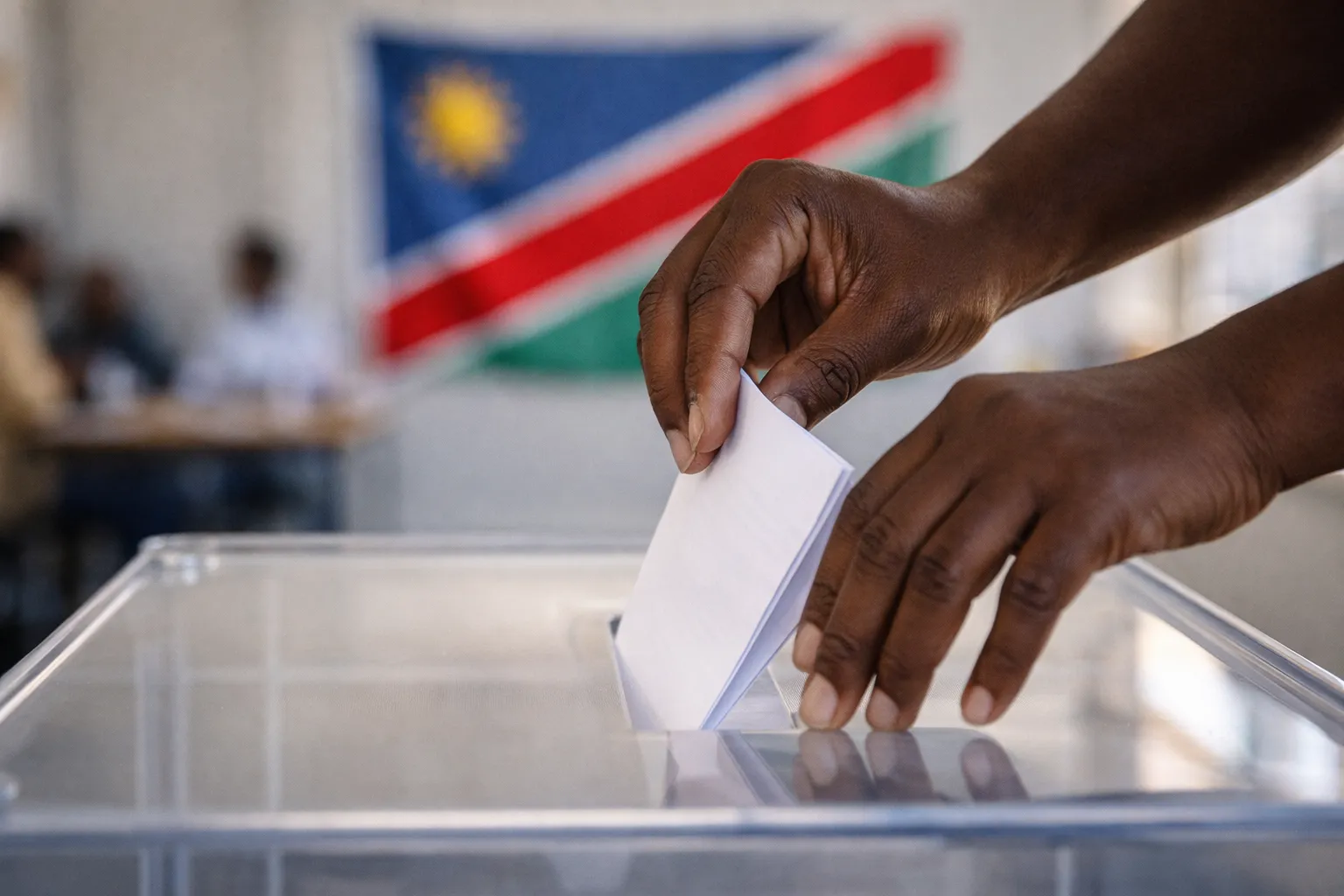
The 2024 general election produced the Eighth Parliament that is now working through its third session, and the shape of that Parliament continues to influence the political dynamics of 2026.
SWAPO won 51 of the 96 directly elected seats in the National Assembly, retaining its majority but at a reduced margin compared to previous elections. The Independent Patriots for Change (IPC) emerged as the main opposition with 20 seats, and Affirmative Repositioning (AR) took 6 seats in its first parliamentary showing.
The presidential contest was won by Dr Netumbo Nandi-Ndaitwah with 58.1% of the popular vote, making her the first female president of Namibia and the country's fifth head of state since independence.
The composition matters for three reasons. First, while SWAPO's majority is comfortable enough to pass most legislation, the reduced margin means that contested bills face a more coherent opposition bloc than in previous parliaments. Second, IPC and AR are themselves different in character — IPC is a more institutionalised opposition with broad middle-class support, AR is a younger, more populist force with a clearer land-and-housing focus — and the two do not always vote together.
Third, the presence of AR is itself a generational shift. The party's emergence reflects the reality that Namibia's post-independence political consensus no longer fully speaks to voters under 35, many of whom are weighing their first presidential vote against unemployment rates that have not improved materially during their adult lives.
The Parliament's legislative priorities through 2026 — free tertiary education, the Welwitschia Sovereign Wealth Fund, land delivery reform — are all areas where the three main parties have publicly different emphases. The degree to which the administration can build cross-bench support on any of these will be a useful running measure of whether the Eighth Parliament lives up to its stated participatory democracy theme.