Women Hold Majority of Senior Cabinet Posts for First Time
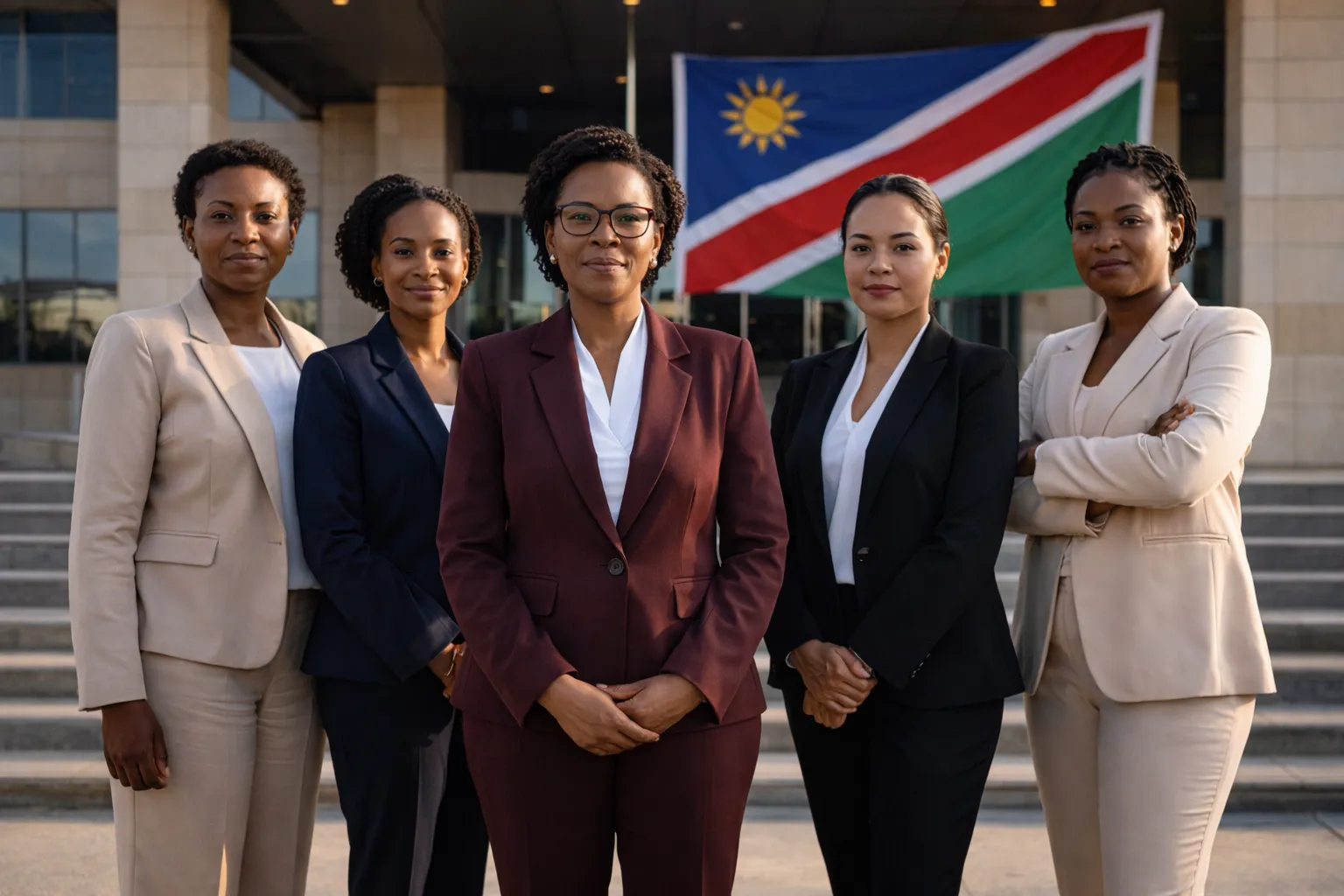
Namibia's senior political leadership is now majority-female for the first time in the country's history — a structural shift that has drawn international attention and is shaping the tone of governance in 2026.
President Nandi-Ndaitwah is the first female president. The vice president is also a woman (another first). A majority of cabinet-level ministerial portfolios are held by women, across departments as varied as finance, justice, health, education, and international relations. The senior civil service shows a similar tilt, with a significant share of permanent secretaries being women.
The symbolic weight is well understood — Namibia has moved into a very small group of countries globally where senior executive leadership is majority-female. The practical implications, meanwhile, are still unfolding. Research on gender composition in government consistently shows modest but measurable shifts in policy priorities when the composition reaches critical mass: more emphasis on health, education, and social protection, and more integrated approaches to gender-based violence policy.
For Namibia specifically, the 2026 government's prominent policy commitments — free tertiary education, expanded NSFAF support, a restructured approach to land delivery — map credibly onto those patterns. The gender-based violence conversation has also moved further into mainstream policy discussion, with coordination between the Ministry of Gender Equality, Poverty Eradication and Social Welfare, and the justice portfolio more visible than it was in previous parliaments.
The deeper question is representation rather than composition. A women-led cabinet does not automatically guarantee improved outcomes for all Namibian women, particularly those in communal areas, informal settlements, and sectors where structural barriers are most entrenched. How the current leadership narrows those gaps — through budget allocation, programmatic delivery, and accountability mechanisms — will be the longer-term test.
For the moment, the visual of the Opening of Parliament — a majority-female senior leadership sitting at the front of the chamber — is itself a piece of Namibia's politics that would have been unimaginable a decade ago.