Eighth Parliament Opens Third Session Under Inclusivity Theme
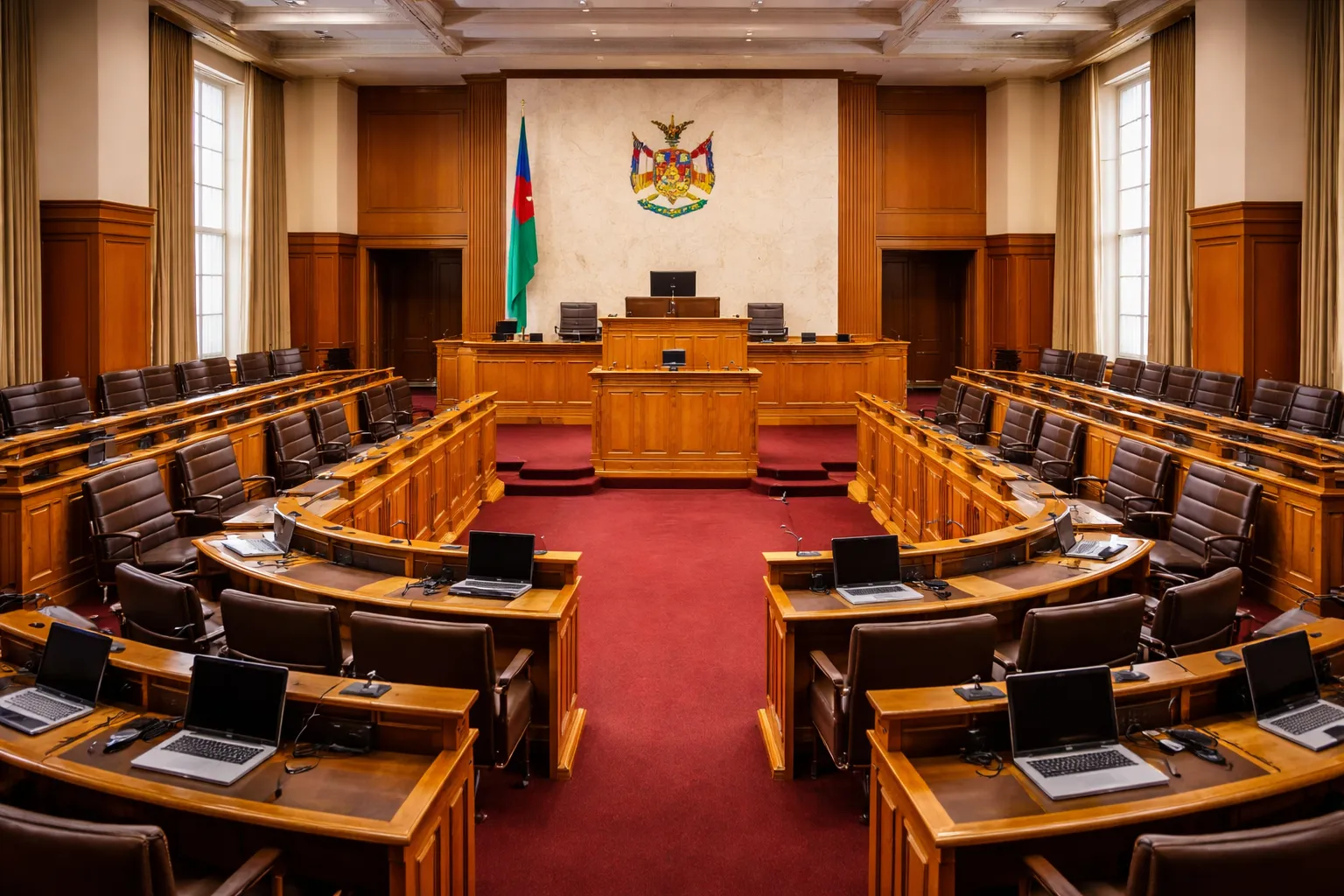
President Netumbo Nandi-Ndaitwah formally opened the third session of the eighth Parliament in Windhoek, setting the legislative agenda for 2026 under the theme "Enhance the Role of Parliament for Inclusive Development and Participatory Democracy".
The opening address laid out a programme of work that reflects the balance the administration has been trying to strike between headline reform commitments and the slower grind of operational legislation. The free tertiary education policy requires enabling amendments to the Higher Education Act. The Welwitschia Sovereign Wealth Fund needs a dedicated statute to bring it into being. Land delivery reform requires changes to the Local Authorities Act and the Flexible Land Tenure Act.
Opposition MPs used the opening as a signal of intent. Independent Patriots for Change and Affirmative Repositioning representatives pushed for accelerated timelines on land delivery, stronger oversight mechanisms on the sovereign wealth fund, and clearer communication on the genocide reparations negotiations with Germany. Several backbench SWAPO MPs echoed those pressure points, suggesting a cross-bench appetite for tighter scrutiny in 2026.
Parliamentary calendars rarely deliver transformation. What they do is force accountability moments — committee hearings, quarterly reporting requirements, budgetary trade-offs laid out in public. The theme of participatory democracy hints at a push to move more of that scrutiny into public view rather than behind closed committee doors.
The order paper for the session's first weeks prioritises the appropriation bill, the higher education amendment, and the sovereign wealth fund bill. Land-delivery legislation is in draft form but has not yet been tabled. Committee chairs have indicated that public consultation windows will be extended for all major bills, a practical test of the participatory democracy framing.