Namibia's National Parks Get N$166 Million Upgrade — Etosha, Hardap & Bwabwata Transformed
Namibia has rolled out one of the most significant tourism infrastructure programmes in the country's recent history, with the Ministry of Environment, Forestry and Tourism (MEFT) completing roughly N$166 million in upgrades across three of its flagship national parks.
Etosha, Hardap, and Bwabwata have all received substantial investment aimed at improving the visitor experience while simultaneously strengthening the country's conservation backbone.
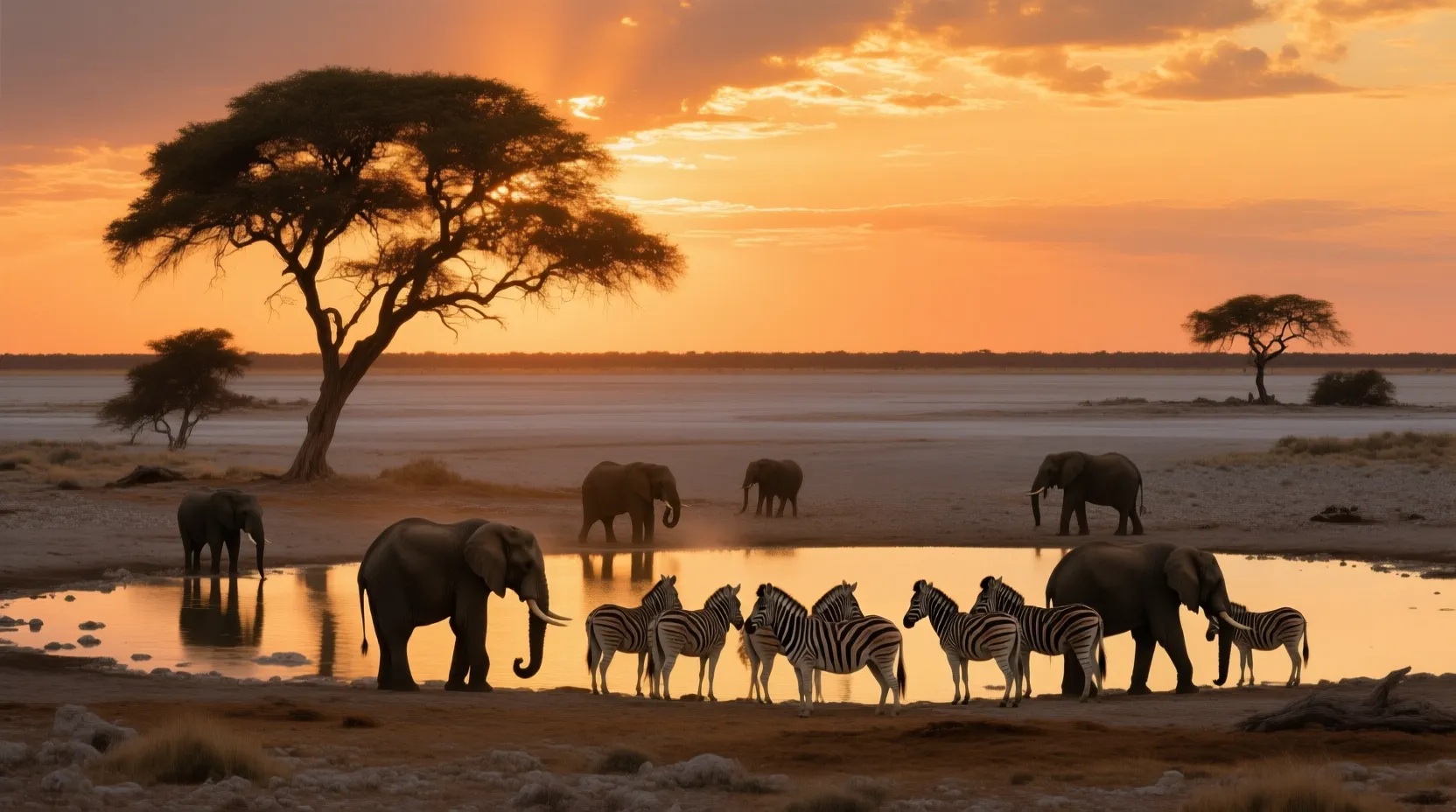
At Etosha — arguably Namibia's most recognisable wildlife destination — the upgrades include modernised park gates, refurbished picnic and rest areas, new and expanded viewing platforms at several waterholes, and improved parking to ease congestion at the busiest camps. The overall effect is a smoother, more comfortable self-drive experience for the thousands of visitors who pass through each year.
Hardap, the arid-region park best known for its dam and lodge-style camping, has seen a refresh of its visitor amenities and a hardening of internal road infrastructure. Bwabwata, in the Zambezi region, has received fresh anti-poaching infrastructure and patrol support in addition to its visitor-facing improvements — a signal that the upgrades aren't only about tourism comfort, but also about protecting the wildlife that draws people here in the first place.
The upgrade programme coincides with a revised park fee structure that came into effect on 1 April 2026. Daily entrance fees for international adult visitors to premium parks have risen from N$150 to N$280, and for standard parks from N$100 to N$200. MEFT has indicated the additional revenue will feed directly into conservation budgets and continuing park maintenance.
Namibian residents and SADC visitors continue to benefit from lower tiered rates, and the adjustment is broadly in line with regional norms across southern African conservation destinations.
For self-drive tourists, tour operators, and lodge guests, the practical takeaway is straightforward: the parks are in better shape than they have been in years, and the additional fee is being channelled back into the very infrastructure and wildlife protection programmes that make Namibia's reserves world-class.
Travellers planning visits in the 2026 dry season (May through October) — the peak game-viewing window — can expect noticeably improved facilities at the major gates, better-maintained tracks, and enhanced viewing at key waterholes.
Namibia remains one of the continent's most accessible self-drive safari destinations, and this round of investment reinforces its position as a top pick for conservation-minded travellers.