Namibia's Economy Crosses N$270 Billion — Five-Year Growth Story
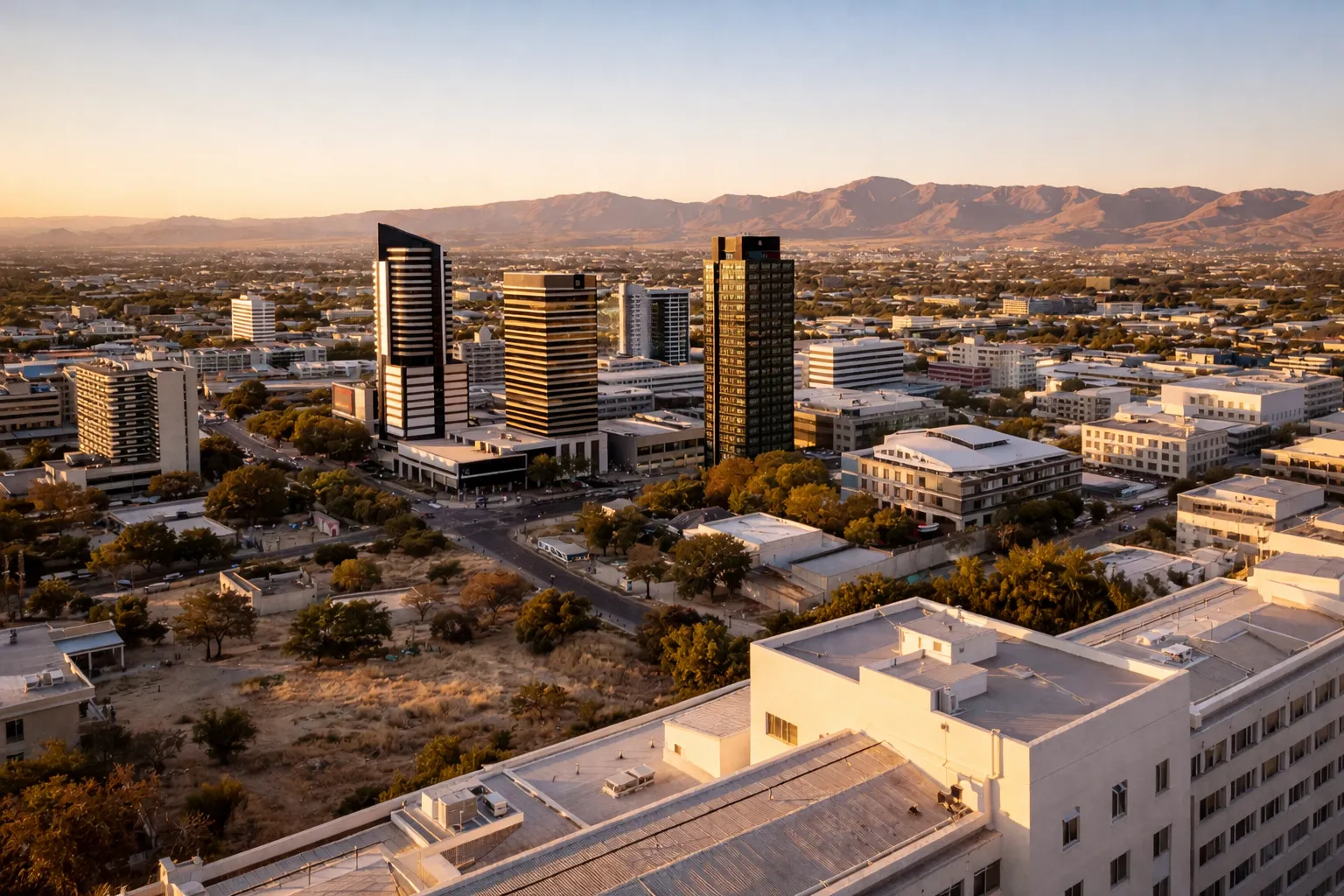
Namibia's economy has expanded to N$270 billion in gross domestic terms, up from roughly N$190 billion five years ago — a milestone that finance officials say reflects the country's steady recovery from the pandemic and a longer-term shift toward more diversified sources of growth.
Growth is projected to accelerate from 1.7% in 2025 to 3.1% in 2026, supported by a stronger mining sector, continued expansion in agriculture, and improving electricity output. Longer-term forecasts from the Bank of Namibia and the IMF place growth at 3.8% in 2026 and 4.3% in 2027.
The headline figure masks some real structural shifts. Mining remains the single biggest contributor to GDP and to export earnings, but the sector's composition is noticeably different from five years ago: uranium and gold have overtaken diamonds as the top export earners, reflecting global pricing dynamics rather than any collapse in diamond demand.
Tax revenues have risen in line with activity, giving government room to sustain higher capital spending without the borrowing pressures seen during the pandemic. The 2026 budget is widely expected to continue pushing infrastructure, public transport (including the planned Windhoek–Rehoboth commuter rail), energy, and agricultural value addition.
For businesses the upside is simple: a bigger domestic economy with rising disposable income, more public-sector procurement, and a clear government preference for local content. The caution is equally real — growth remains concentrated in a handful of sectors, and unemployment, particularly youth unemployment, has not moved much.
The medium-term question is whether the next five years can shift Namibia from a commodity-export economy toward one that captures more value within its own borders. On that the jury is still out, but 2026 is likely to be the year the direction becomes clearer.