Namibia's Mining Pipeline Set to Create Over 24,000 Jobs
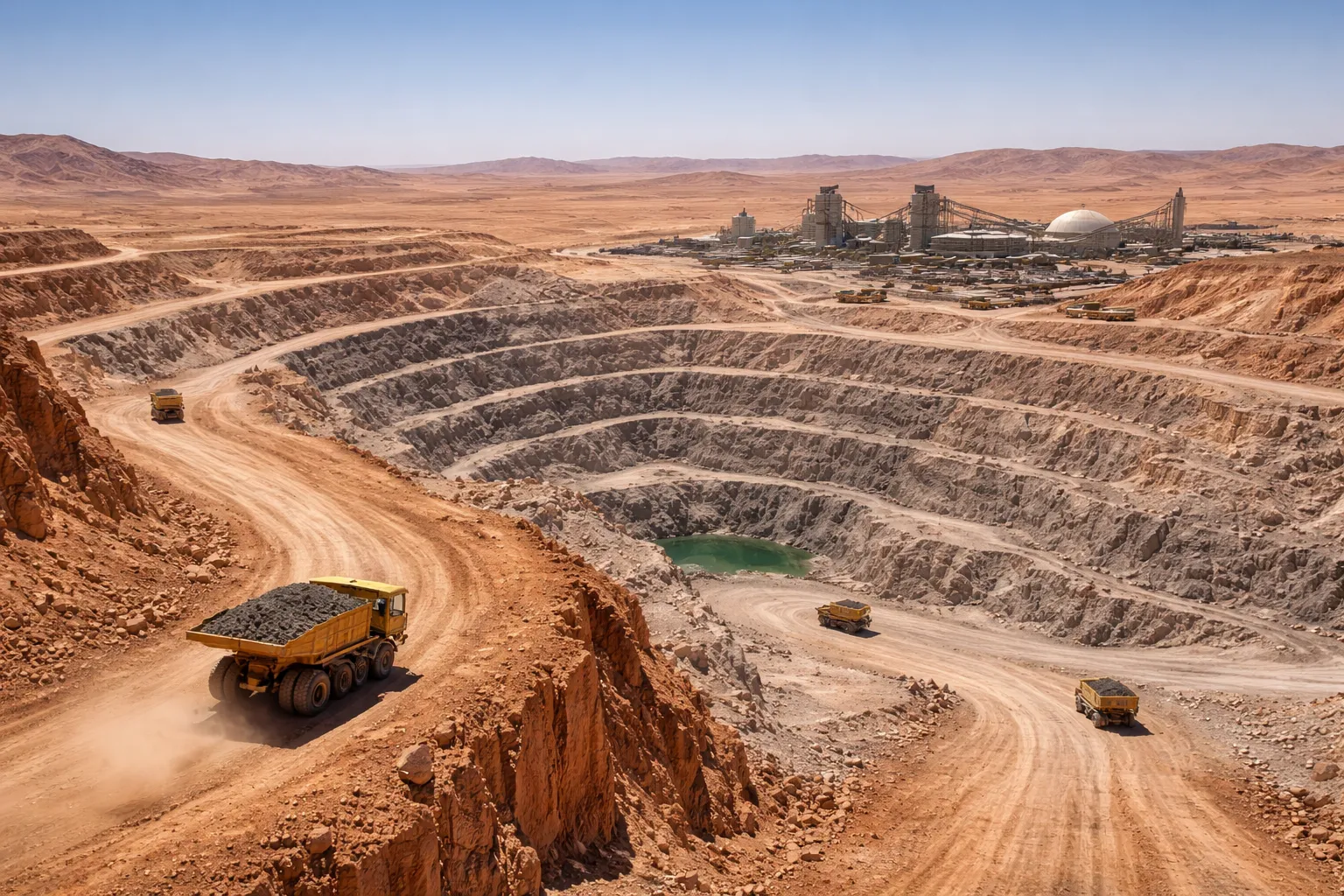
Fifteen mining projects worth a combined N$63.5 billion are now in various stages of development across Namibia, and once all reach full production they are expected to generate more than 24,000 jobs. The pipeline has already created 1,934 roles during the construction phase.
The lineup is led by a handful of large-ticket investments that are reshaping the country's mining map. Bannerman Energy is pushing its Etango uranium project in Erongo toward final construction readiness; Deep Yellow's Tumas development, also uranium, is close behind. Osino Resources' Twin Hills gold project in Otjozondjupa is expected to produce first gold inside the 2026–27 window, and B2Gold's Otjikoto mine is being expanded with an additional open-pit operation that extends the mine's life by several years.
Mining has generated more than N$64.7 billion in export earnings in the 2025/26 financial year, alongside N$1.4 billion in royalties paid to the state. Uranium has been the standout performer — global demand from the nuclear renaissance, combined with significantly higher spot and contract pricing, has made Namibia's uranium grade profile internationally attractive.
The jobs story is where the pipeline matters most domestically. Namibia's unemployment rate remains one of the most stubborn economic challenges, particularly for young work-seekers. Mining cannot fix that alone, but a construction-and-commissioning cycle that runs from 2026 to 2029 across five major sites will put measurable pressure on the labour market in Erongo and Otjozondjupa.
The watchpoints for 2026 are water availability (every uranium and gold mine in the pipeline is a large consumer), grid capacity (NamPower's expansion plan has to keep pace), and training — sustaining skilled operator pipelines into 2028 will require more than the current TVET output.